Phobies:Turn-Based Card Battle
- 4.4
- Rating
- 1.00M
- Installs
- Free
- Price

 Analysis by App-foxy
I went into Phobies:Turn-Based Card Battle expecting a small card battler, but its appeal became clearer after a few matches: this is really a compact strategy game about choosing where to spend attention. You collect monster cards, place them on a battlefield, and take turns trying to make better decisions than the other side. The cards give the game its personality, while the board gives every move consequences.
That combination makes it easy to understand but harder to play well. A match can begin with a simple attack, then quickly turn into a question about position, timing, and what I am willing to sacrifice. I enjoyed that tension because the game does not rely only on collecting a large roster. It asks me to use what I have intelligently, read the situation, and accept that a good turn is sometimes defensive rather than dramatic.
Phobies Holdings Inc. developed this free strategy game for players aged Everyone 10+, and it is available on devices running Android 6.0 or later. The game has built a substantial audience, with over a million installs, a 4.4 average from around 31 thousand ratings, and roughly 1.8 thousand written reviews. Those figures match my overall impression: it is approachable enough for casual players, but its turn-based structure gives dedicated players plenty to think about.
You May Also Like

 Blood Strike: 2.5 Anniversary
Blood Strike’s Loadouts Turn Every Drop Into a Tactical Gamble
A close look at Blood Strike’s custom loadouts: how fast access to signature weapons reshapes its battle royale rhythm, rewards preparation, and narrows the gap between fights.

 Pandora - Music & Podcasts
Pandora’s Music Is Easy to Start, but Harder to Recover
Pandora’s strength is its low-effort path from a seed to a station. Its weak spot is how much confidence it asks you to place in connection, setup, and quiet recovery.

 8 Ball Pool
 Is Built on Rivalries, Rematches, and Routine
A close look at the rivalries, rematches, shared routines, and unanswered safety questions that turn a quick pool match into a persistent mobile community.

 Samsung Music
’s Quiet Strength Is Playing What You Already Own
Its reach comes less from spectacle than from dependable access to a personal library. That simplicity is both the app’s strongest retention engine and its ceiling.

 AccuWeather: Weather Radar
AccuWeather Review: A Quick, Clear Forecast for Everyday Decisions
For everyday plans, the best forecast is the one you can understand quickly. AccuWeather makes rain timing, radar, and local conditions easy to act on, with a few trade-offs.

 Hill Climb Racing
Why Hill Climb Racing Still Turns Crashes Into One More Run
A tiny car, a bumpy hill and one more upgrade: Hill Climb Racing keeps resurfacing because its simple chaos makes every near-miss feel personal.
More From Our News Desk



One move at a time: how the first action sets the match in motion
The first useful thing to understand is that this is not a card game where I simply draw a strong card and play it immediately. The monster cards matter, but the battlefield determines how valuable a creature becomes. A move can be powerful because it attacks, because it blocks access, or because it forces the opponent to respond somewhere else. That makes the opening action feel more like setting a plan in motion than pressing a single attack button.
When I start a match, I try not to spend my available options just because they are available. The temptation is to move the most obvious creature toward the nearest target. That can work, but it can also expose the unit to an easy response. I get better results when I first consider which spaces are likely to matter on the next turn. This small habit is one of the game’s first meaningful lessons: the best opening move is often the one that improves the next decision.
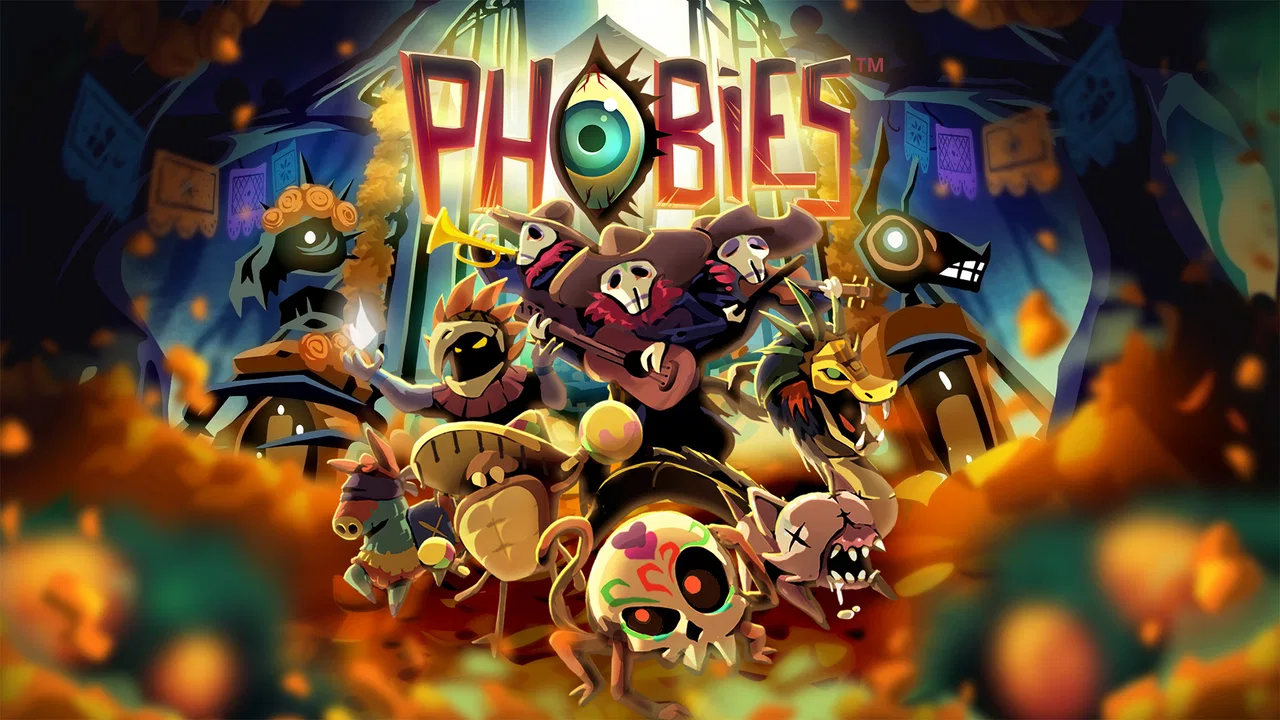
The monster-card theme makes this easier to enjoy than a dry tactical board game. Each creature feels like part of a strange collection rather than a disposable symbol, and the visual identity gives the matches a playful edge. Still, the presentation does not remove the need to think. Once both sides begin taking positions, the cute or unsettling style becomes a frame around a fairly serious contest of choices.
I also like that the turn-based format gives me time to inspect the situation instead of demanding constant reactions. This is useful when I am playing in short breaks during the day. I can make a considered move, see the opponent’s answer, and decide whether to continue immediately or pause. It is a better fit for me than a real-time strategy game when I want tactical decisions without the pressure of fast tapping.
What I watch before committing a card
My practical approach is to ask three questions before using a monster. What does this move gain right now? What does it leave exposed? Which enemy response would make me regret it? These questions sound basic, but they prevent the most common early mistake: treating every available action as an invitation to attack.
A card can be valuable even when it does not produce an immediate knockout. It may occupy a useful route, protect another creature, or make the opponent spend a turn dealing with it. That is where the strategy becomes more interesting than a normal collectible card game. Instead of judging a card only by its apparent strength, I judge whether it fits the current shape of the match.
This also creates a useful trade-off for new players. Collecting more Phobias is appealing, but learning how to use a smaller group well can be more rewarding than constantly chasing a new option. I recommend paying attention to which cards help you control space and which ones only look impressive when the opponent has already made a mistake. That distinction becomes increasingly important as matches become less forgiving.
The feedback rhythm: move, response, correction
The game’s strongest quality is its feedback rhythm. I take an action, the board changes, the opponent answers, and I immediately have new information to process. The result is satisfying when a plan works, but it is also useful when a plan fails because the failure usually points to a specific decision. I can often identify whether I moved too early, ignored a threat, or valued damage more than position.
That rhythm gives each turn a clear emotional shape. A successful attack feels good, but the more lasting satisfaction comes from forcing a response I had anticipated. Conversely, losing a creature can be frustrating when I realize I created the opening myself. I prefer this kind of frustration to losses that feel random, because it gives me something concrete to change in the next match.
There is a subtle difference between playing for immediate feedback and playing for a longer plan. If I focus only on the action that looks most rewarding, I can lose control of the board. The game rewards patience when patience creates a better exchange later. In my experience, this is where the title separates itself from simpler card battlers that are mostly about assembling a strong combination and watching it resolve.
The turn structure also makes the game suitable for players who enjoy reviewing their own choices. After a poor result, I can mentally replay the important moment and ask whether the problem began several turns earlier. That kind of self-correction is the main reason I kept returning. I was not only trying to win; I was trying to understand why a position had become difficult.
Why the collection feels connected to the tactics
Collecting Phobias is not just a decorative side activity. The creatures give me different ways to approach a match, and building familiarity with them changes how I read the battlefield. A new card is most useful when it expands my decision-making rather than simply replacing an older favorite. That makes the collection feel connected to the strategy instead of existing as a separate reward shelf.
My advice is to resist judging a card after one disappointing match. A creature that seems weak in an open position may become useful when the board is crowded or when I need to protect a more important piece. I found that the value of a card often depends on the situation I create before playing it. This is a non-obvious part of the game: the card does not always generate its own opportunity.
There is also a learning cost. Players who want every card to be immediately understandable may find the roster less comfortable than a straightforward deck-building game. I had to spend time noticing what each option contributed to a position. That effort is worthwhile for strategy fans, but it can feel like work if I only want a quick, low-commitment battle.
Reward without losing the reason to play
The reward cycle works because a match gives me more than a win or a loss. I get a clearer sense of which decisions were effective, which cards deserve more practice, and which habits are holding me back. The collection element adds another reason to return, but the strongest reward is still the feeling that I played a little more intelligently than before.
Because the game is free to download, it is easy to try without making a financial commitment. Optional in-app purchases range from $0.99 to $149.99 per item, so players who are sensitive to spending should decide early how they want to approach the collection. I appreciate having a free entry point, but the broad purchase range means I would treat the shop as something to monitor rather than browse casually.
For me, the best way to enjoy the reward system is to set a small goal before a session. I might focus on improving my opening positioning, testing a less familiar monster, or avoiding unnecessary trades. This keeps progress from depending entirely on the result screen. A loss can still be useful if it answers one of those questions, while a win is more satisfying when I know which improvement made it possible.
The game is also a good match for people who like collecting with a purpose. If you enjoy unlocking characters but dislike learning how they function, the collection may feel demanding. If you enjoy finding a role for an unusual unit and gradually making better decisions with it, the rewards have more meaning. The difference comes down to whether collecting is your destination or a tool for experimenting with strategy.
When a short session naturally ends, and why I start again
One of the most practical strengths is the clean reset between matches. I can finish a battle, think about the turning point, and begin again without needing to remember a complicated real-time sequence. That makes the game comfortable for a lunch break, a short wait, or an evening when I want something interactive but not exhausting.
A realistic use case for me is playing one match while taking a break from a longer task. I can begin with a simple objective, make decisions at my own pace, and stop after the result without feeling that I have abandoned a long campaign. If the match exposes a mistake I want to fix, starting another round feels natural. The reset is not empty repetition because the board changes the question each time.
At the same time, the reset can encourage “one more match” behavior. A close loss is especially good at pulling me back in because I can see the moment where a different decision might have changed the outcome. That is enjoyable when I have time, but it can become a problem if I am looking for a game with a clearly finished daily routine. The short-match structure makes stopping easy in theory, yet the improvement loop makes continuing tempting.
I would skip this game if I wanted a purely relaxing card experience with little consequence attached to each move. It is also not my first choice for someone who prefers fast action, direct controls, or a story-driven adventure. The turn-based format is the point, and players who dislike pausing to evaluate positions may find the pace slow rather than thoughtful.
How it compares with familiar strategy alternatives
Compared with a traditional collectible card game, this title places more weight on location and movement. The card in my hand is only part of the decision; where it enters the fight and how it changes the board can matter just as much. That makes it a better choice for players who want their cards to interact with a visible tactical space rather than resolve mainly through effects and combinations.
Compared with a real-time strategy game, it is calmer and more deliberate. I do not need rapid taps or constant multitasking to participate, so I can concentrate on reading the opponent’s intentions. The trade-off is that the game may feel less exciting for someone who measures strategy by speed. Its tension comes from anticipation, not frantic execution.
Compared with a standard tactics game, the collection layer gives the matches more personality and a stronger reason to experiment. However, it also means the experience is less purely about a fixed set of balanced units. Players who prefer a tightly defined roster and a single competitive ruleset may prefer a conventional tactics title, while players who enjoy adapting a collection will likely find more variety here.
The minimum operating requirement of Android 6.0 makes the game accessible to a wide range of older Android devices, although the experience will still depend on the individual phone or tablet. I would check that the device has enough comfortable screen space for studying the board. This is not a game I want to rush through on a cramped display, because small positional details deserve attention.
The friction points I noticed after spending time with it
The biggest limitation is that the game asks for genuine concentration while presenting itself in a light, collectible package. That contrast can mislead new players into expecting effortless progress. The early learning curve is manageable, but winning consistently requires understanding why a move worked, not just repeating the move itself.
The collection can create another kind of friction. New options are exciting, yet every addition increases the amount I need to understand before I can make confident choices. Players who enjoy mastering a growing roster will see this as depth. Players who want a small number of immediately readable tools may feel that the game keeps adding homework.
The purchase range is also worth considering before spending. Free access makes the first step easy, but optional items can become part of the temptation loop, especially after a close match or when I want to broaden my collection quickly. My recommendation is to decide on a personal limit and treat purchases as optional support for enjoyment, not as a substitute for learning the board.
Finally, the game is not ideal when I want a passive experience. Even though turns give me time, I still need to pay attention to the opponent’s response and remember what the position is asking me to protect. If I am tired and only want to watch effects unfold, I would choose something simpler. Phobies rewards active thinking, and that is both its identity and its main demand.
Who will get the most from the loop
I would recommend it to players who like tactical puzzles, collectible creatures, and matches that can be understood one decision at a time. It is especially appealing if you enjoy noticing small improvements: a safer opening, a better trade, or a more patient response. The game gives those improvements room to matter without requiring the speed of a real-time title.
It is less suitable for someone searching for a large narrative campaign, a casual game that plays itself, or a card battler where the strongest combination always decides the result. It also deserves caution from anyone who finds collection-based spending difficult to control. The free starting point is inviting, but the long-term experience is built around returning, experimenting, and deciding how much of the collection to pursue.
For new players, I suggest beginning with observation rather than chasing immediate wins. Notice which spaces become important, look at what the opponent is trying to force, and use each match to test one idea. That approach makes the action-feedback-reward cycle much more satisfying because every reset carries information into the next session.
My verdict after following the full action-to-reset cycle
Phobies:Turn-Based Card Battle succeeds because its central loop has a clear purpose. I act, the board answers, I learn from the result, and I return with a better question for the next match. The monster-card collection gives the strategy a memorable identity, while the turn-based battlefield keeps the focus on choices rather than speed.
It is not a frictionless casual game, and I would not recommend it to anyone who dislikes studying positions or managing a growing collection. The optional purchases also deserve sensible boundaries, particularly because the game makes another session feel attractive after a close result. Still, those limitations are tied to the same qualities that make it interesting.
Released on March 7, 2022, and currently listed as version 1.16.1020.0, it has had time to establish its particular mix of cards, creatures, and tactical turns. I came away seeing it less as a simple monster collector and more as a strategy game that uses collecting to keep its decisions fresh. If that sounds like the kind of challenge you enjoy, I think it is worth trying for free and judging the loop by how often you begin the next match because you understand the last one a little better.
FAQs for Phobies:Turn-Based Card Battle
01What is Phobies: Turn-Based Card Battle?
Phobies: Turn-Based Card Battle is a strategic multiplayer game where you collect bizarre creatures, build a team, and fight opponents on grid-based maps. Each Phobie has unique abilities, movement limits, strengths, and weaknesses. Matches are turn-based, so success depends on positioning, timing, terrain awareness, and choosing the right creature for each situation rather than simply attacking as quickly as possible.
02Is Phobies free to play, and does it include in-app purchases?
Phobies can be downloaded and played for free, but it includes optional in-app purchases. You can unlock and upgrade Phobies through regular play, rewards, and progression, while purchases may provide additional resources or speed up certain parts of the process. The game is designed around long-term collection and improvement, so players who prefer not to spend money should expect a slower progression pace.
03Can I play Phobies offline?
Phobies is primarily an online game and requires an internet connection for its main features. Online access is needed to participate in multiplayer battles, synchronize progress, receive rewards, and access events or other live content. It is therefore not the best choice for completely offline gaming. A stable connection is especially important during competitive matches, where interruptions may affect the outcome.
04How does combat work in Phobies?
Combat takes place on compact maps divided into spaces, with players taking turns moving their Phobies and using their abilities. Every action is important because movement and attacks are limited by available resources. Different creatures serve different roles, including damage dealers, defenders, support units, and specialists. Victory usually comes from controlling key areas and exploiting enemy weaknesses instead of relying on one powerful unit.
05Is Phobies suitable for beginners and casual players?
Phobies is accessible at the beginning, with straightforward controls and introductory battles that explain the basic mechanics. However, the game becomes increasingly tactical as you encounter more Phobies, maps, and experienced opponents. Casual players can enjoy short matches and gradual collection progress, but competitive success requires patience, experimentation, and learning how abilities interact. It is a good fit for players who enjoy thoughtful strategy rather than fast reflexes.
Pros
- Strategic battles reward careful positioning and timing.
- Large roster of unique creatures keeps team building interesting.
- Short matches fit well into quick mobile gaming sessions.
- Distinct abilities create plenty of tactical combinations.
- Regular events and challenges add variety beyond standard matches.
Cons
- Progress can feel slow without frequent play or resource spending.
- Some matchups may feel unfavorable before the battle even begins.
- The learning curve is steep for players new to tactical card games.
- Limited energy can interrupt longer play sessions.
- Online matchmaking may occasionally pair players with very different experience levels.

Phobies:Turn-Based Card Battle
Gallery